
A B Rubber & Chemicals
Here's a brief overview of both:
Rubber:
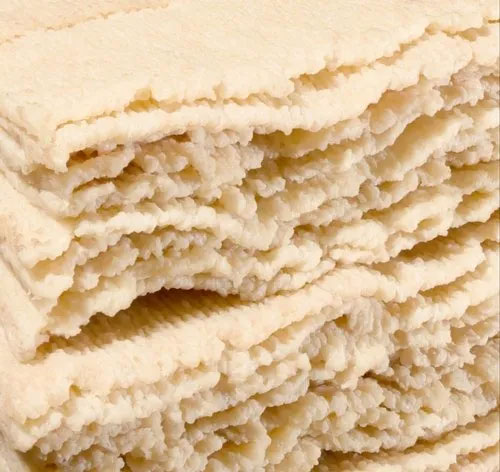
Natural Rubber: Derived from the latex sap of rubber trees (Hevea brasiliensis), natural rubber has excellent elasticity and is used in various applications, including tires, footwear, automotive parts, and industrial goods.
Synthetic Rubber: Synthetic rubber is made from petrochemicals through processes like polymerization. It's designed to mimic the properties of natural rubber and is used in similar applications. Types of synthetic rubber include styrene-butadiene rubber (SBR), polybutadiene rubber (BR), and nitrile rubber (NBR), among others.
Applications: Rubber is used in a wide range of products, from tires and conveyor belts to seals and gaskets in industrial machinery. It's also used in consumer goods such as footwear and sports equipment.
Chemicals:
Chemical Industry: The chemical industry is broad and encompasses the production of various chemicals, including petrochemicals, agrochemicals, specialty chemicals, and more.
Petrochemicals: These are chemicals derived from petroleum and natural gas, and they serve as the building blocks for various products, including plastics, synthetic rubber, solvents, and resins.
Agrochemicals: This category includes fertilizers, pesticides, and herbicides used in agriculture to enhance crop production and protect against pests and diseases.
Specialty Chemicals: These are chemicals with specific functions and applications, such as pharmaceuticals, electronic chemicals, and fine chemicals used in various industries.
Polymers: Polymers are a significant part of the chemical industry and are used in a wide range of products, including plastics, synthetic rubber, and fibers.